COVID-19 Materials for People with Intellectual and Developmental Disabilities
U.S. CENTERS FOR DISEASE CONTROL AND PREVENTION (CDC) — National Center on Birth Defects and Developmental Disabilities
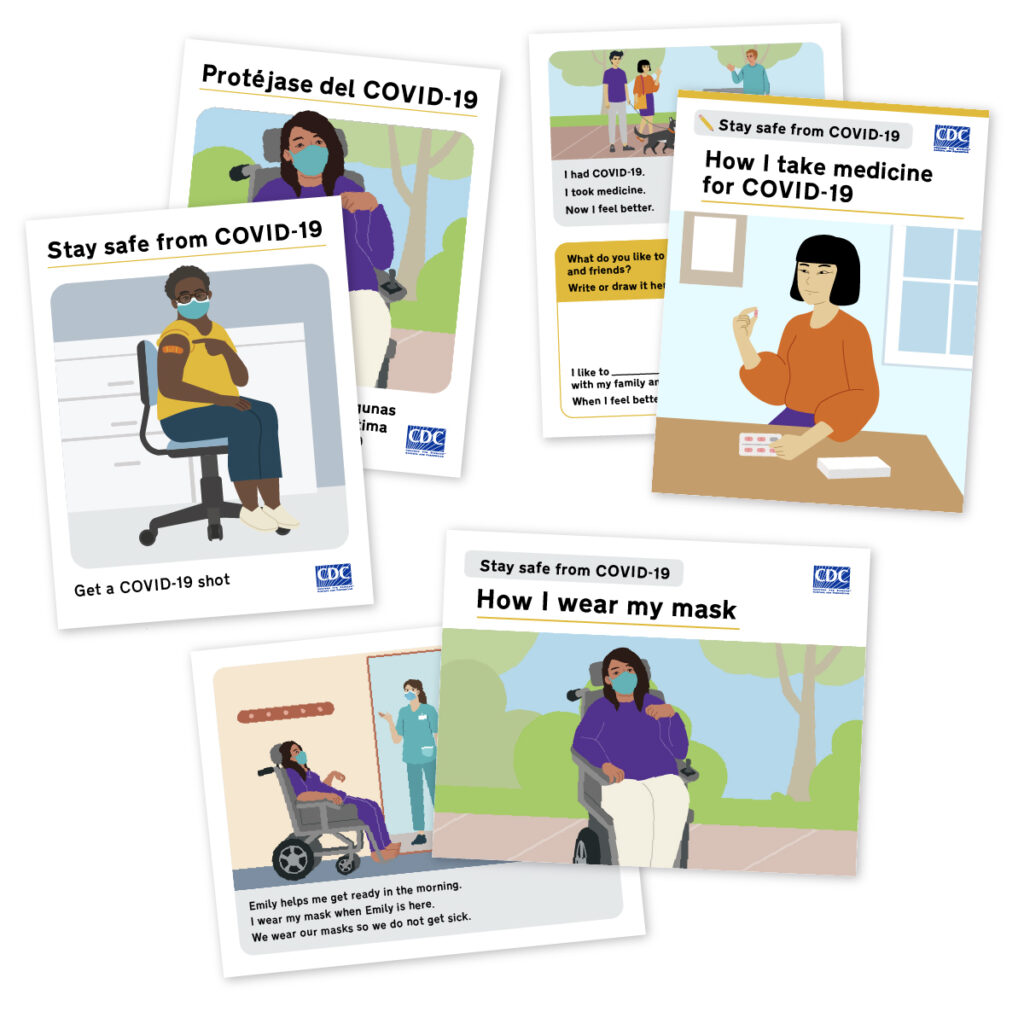
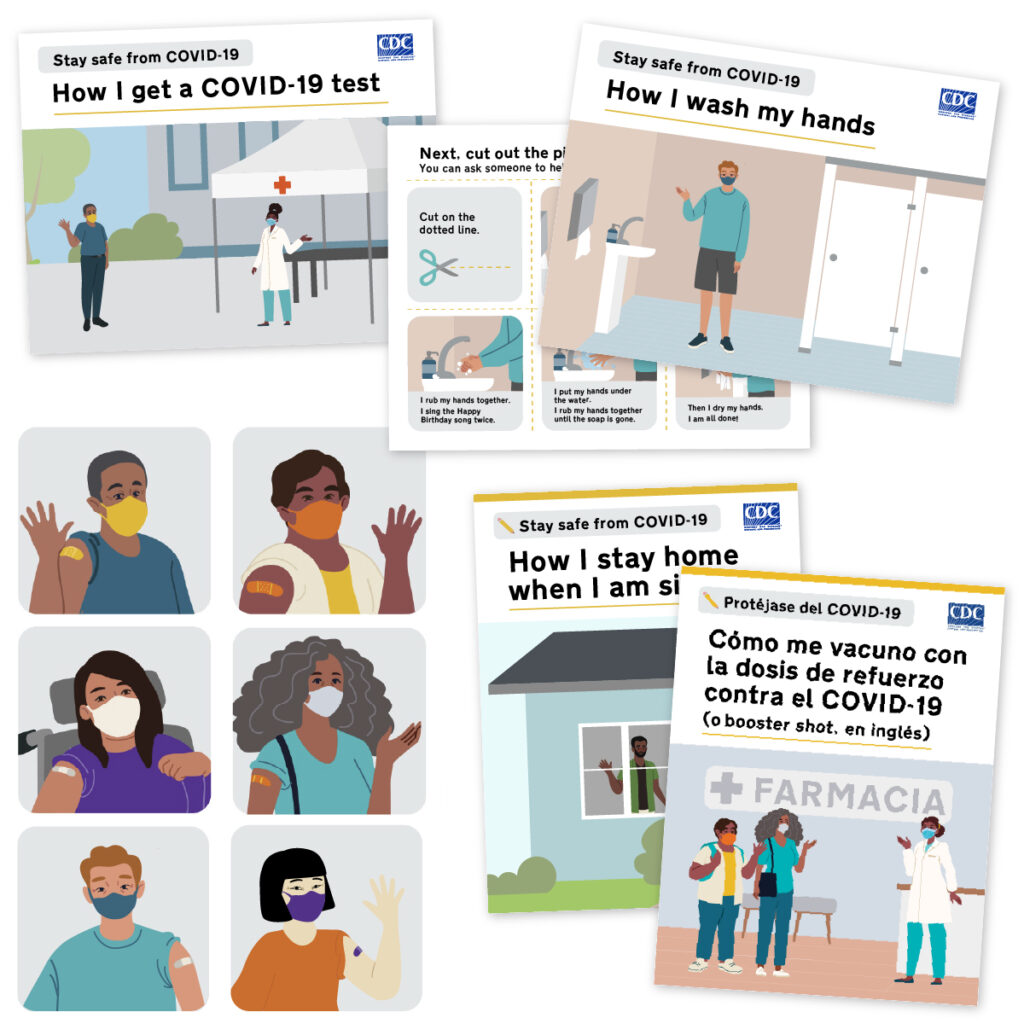
Early in the COVID-19 pandemic, CDC identified a need to educate Spanish- and English-speaking adults with intellectual and developmental disabilities (IDD) and their caregivers about protective behaviors. To meet these needs, CDC partnered with CommunicateHealth to created a suite of videos, social stories, posters, and interactive materials to communicate with people with intellectual disabilities and extreme low literacy about preventing COVID-19. As the lead designer on this project:
- I fully illustrated and laid out more than 30 materials, including social stories, posters, fact sheets, interactive materials, and storyboards for animated videos. All materials were made concurrently in both English and Spanish.
- I single-handedly remediated all of the materials to meet WCAG standards and ensure they are Section 508 compliant.
- As a result of the success of this project, my team and I were invited to CDC’s headquarters in Atlanta to host an in-person workshop about designing for audiences with intellectual and developmental disabilities.
- Winner of the 2022 Grand Clearmark award.
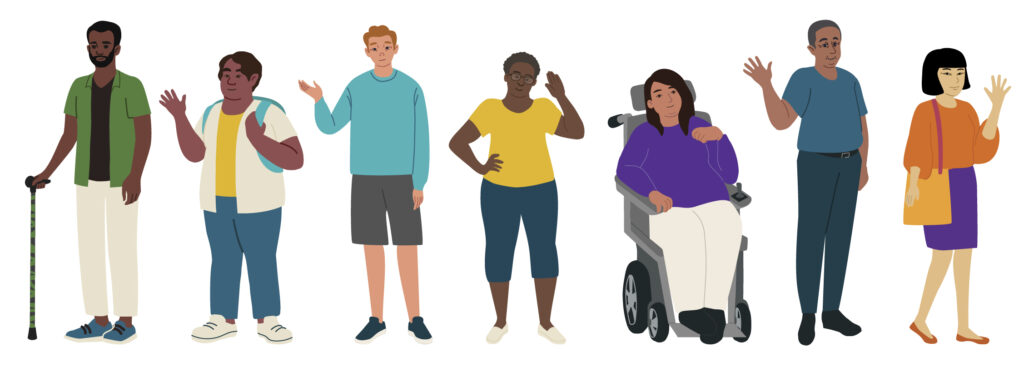
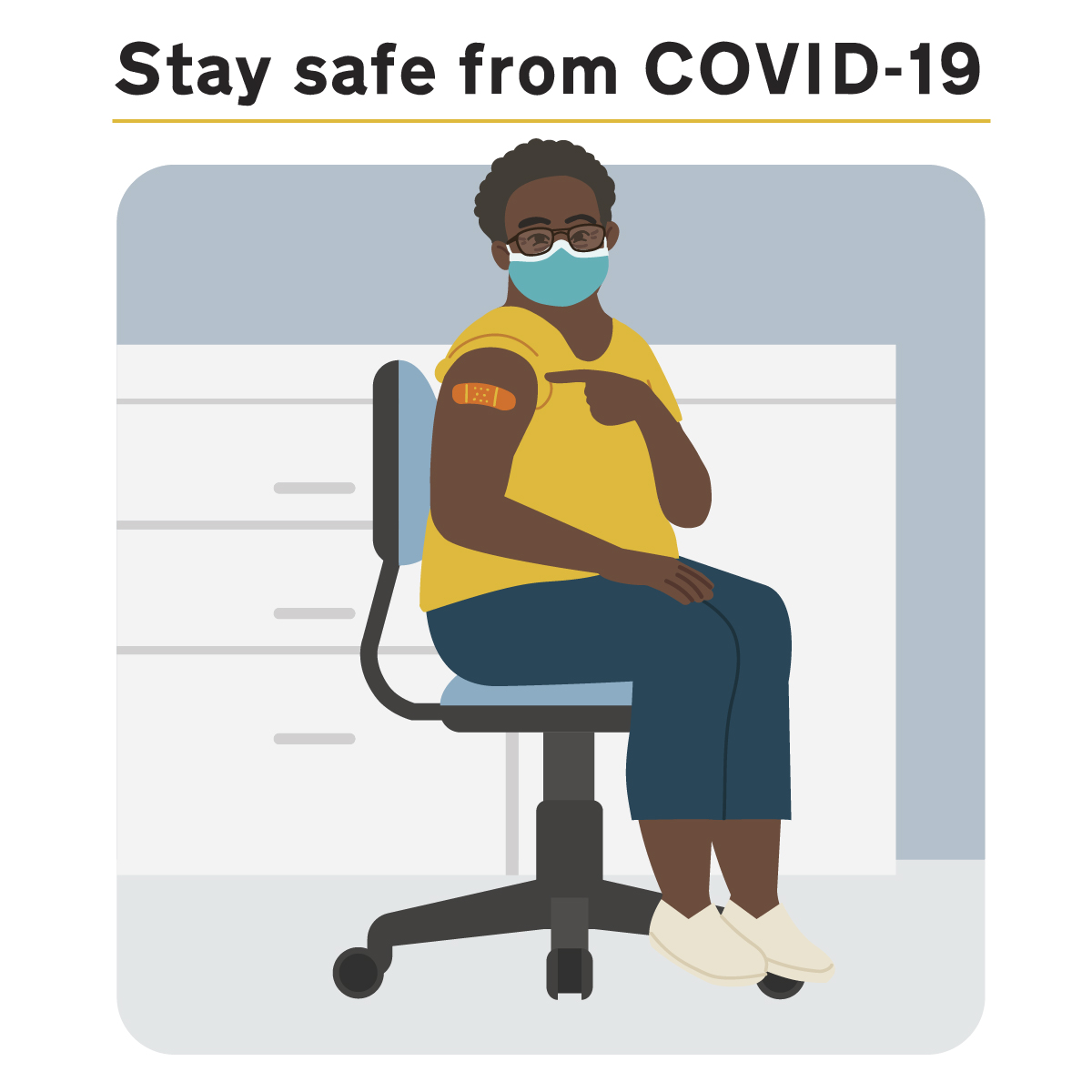
This campaign was separated into 7 major topics: Getting a Vaccine, Social Distancing, Hand Washing, Masking, Getting a Covid Test, Staying Home, and Getting a Booster. I illustrated 7 different characters who each corresponded to one of these topics, and ensured that they represented the diverse audience and remained distinctive from each other — down to each character having a specific color from the campaign palette. Each character also has a specific disability that I heavily researched in order to portray accurately and repectfully. It was important to me and the team that the audience see themselves reflected in these materials!
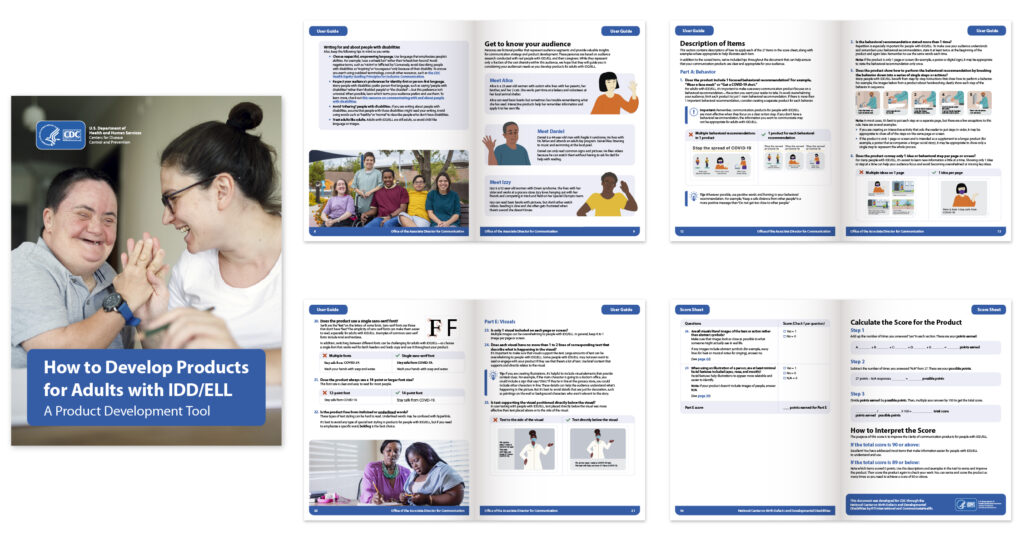
Based on feedback from multiple rounds of testing with adults who have intellectual disabilities and their caregivers, I designed a 35-page product development guide on visual communication best practices to reach people with intellectual disabilities and extreme low literacy.